Imagine standing on one hectare of land in 2015.
No mature oil palms. No harvest. No recurring income. Just land.
At the time, its value would likely have been measured by its location, accessibility or future resale potential. Few people would have looked at that hectare and seen anything beyond the land itself.
Fast forward to 2026.
The conversation has changed.
Across Nigeria, agriculture has taken on renewed strategic importance. Food security, import substitution and agro-industrialisation have pushed oil palm back into national conversations, not simply as a crop, but as one of the country’s most commercially important agricultural resources.
So, what happened to that hectare?
The same hectare purchased in 2015 now tells a very different story.
It is no longer defined only by ownership. It is defined by productivity.
That distinction matters.
Land is passive. It waits.
A productive plantation works. It generates harvests, supports processing, creates employment and contributes to an entire value chain.
That is the difference time alone cannot create. Productivity can.
To appreciate that transformation, consider what one hectare can become.
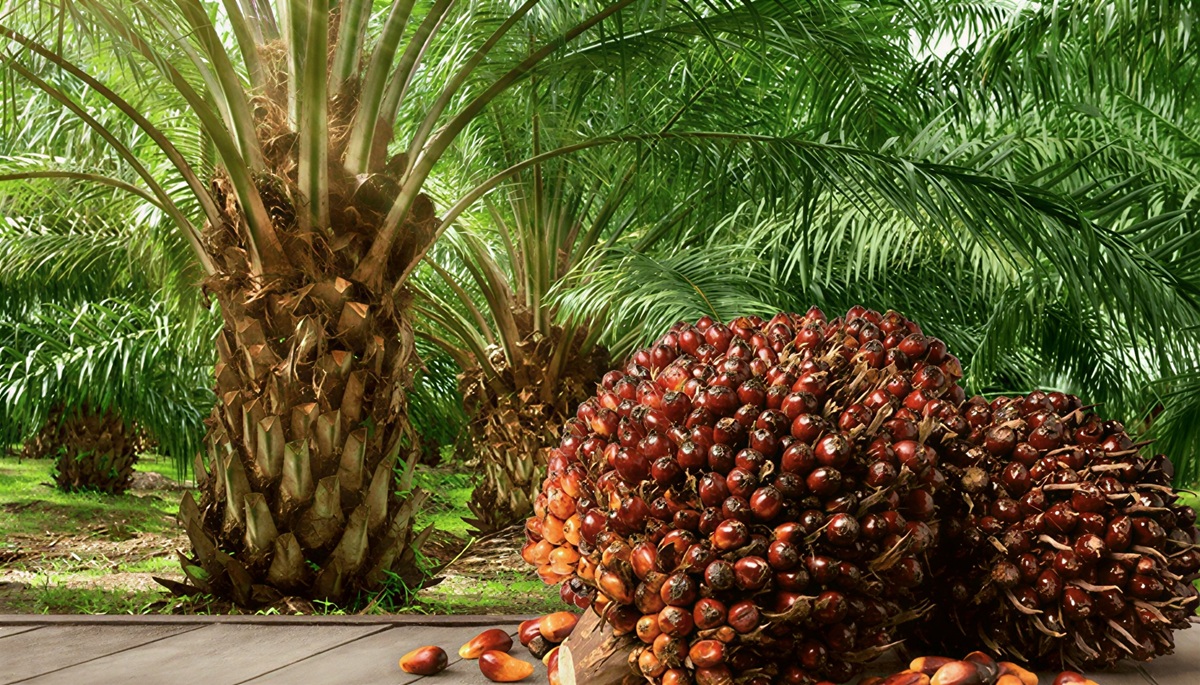
A professionally developed hectare of oil palm typically accommodates about 150 trees. Under proper plantation management, each mature tree has the potential to produce 25 to 30 litres of palm oil annually, meaning a single productive hectare can generate up to 4,500 litres of palm oil every year.
Every harvest adds to its productive life. Every production cycle increases its economic contribution. Rather than relying solely on appreciation, the hectare begins generating measurable agricultural output year after year.
That is what transforms land into an asset.
This distinction has become increasingly important as Nigeria continues working to close the gap between domestic palm oil production and industrial demand. Despite the country’s favourable climate and long history of oil palm cultivation, manufacturers still depend heavily on imported palm oil to support local production.
Meeting that demand requires more than acquiring farmland.
It requires developing productive plantations capable of supplying industry consistently over time.
That philosophy underpins Assetrise’s Palmrich Project.
Rather than viewing land as a passive investment, Palmrich is built around the deliberate development of productive oil palm plantations through commercial cultivation, sustainable plantation management and an integrated agribusiness model. The focus is not simply on ownership, but on creating assets capable of generating long-term agricultural and economic value.
That long-term perspective becomes even more compelling when we look ahead.
By 2031, the hectare purchased in 2015 would by then have years of productive harvesting behind it. It would have generated thousands of litres of palm oil, supported employment across the agricultural value chain and contributed to a broader ecosystem that extends beyond cultivation into processing, manufacturing and agro-industrial development, giving you a sustainable income.
Its greatest value would no longer lie in the price of the land itself. It would lie in its ability to continue producing.
Of course, that transformation does not happen automatically.
It depends on secure land ownership, quality planting materials, professional plantation management and consistent agronomic practices.
Left undeveloped, a hectare remains exactly what it was on the day it was purchased. Managed responsibly, it evolves into a productive enterprise capable of creating value for decades.
Looking back, the most important question is not whether buying one hectare in 2015 was a good decision.
The more important question is what happened after it was acquired.
Was it left untouched?
Or was it transformed into something productive?
Sometimes, the difference between owning land and creating wealth begins with a single hectare.