If you asked ten people where they would invest ₦10 million, you’d probably hear ten different answers.
“Buy Bitcoin.” “Put it in stocks.” “Real estate never fails.” “Invest in agriculture.”
Every suggestion comes with confidence.
Every supporter believes they’ve found the smartest path to building wealth.
The problem is that they’re all trying to answer the same question: Which investment is the best?
It’s the wrong question. Professional investors rarely begin there. Instead, they ask something far more important.
Which investment is right for me?
That single shift changes everything.
Because the best investment for a 25-year-old entrepreneur may be completely different from the best investment for a 55-year-old executive planning for retirement.
Likewise, the right asset for someone seeking rapid growth may not suit another investor whose priority is preserving wealth over the next twenty years.
Investing, at its core, isn’t about finding a universal winner. It’s about finding the right fit.
The Problem With Chasing the Highest Return
Every market cycle produces a new favourite.
When cryptocurrencies surge, many investors feel they’ve missed the opportunity of a lifetime.
When stock markets rally, equities suddenly become the obvious answer.
When property prices climb, real estate dominates investment conversations.
The cycle repeats. Attention follows performance. Money follows attention. Then markets change.
The asset that looked unstoppable yesterday becomes tomorrow’s disappointment.
History has shown this time and again. Markets rise. Markets fall. Economic conditions evolve. No investment outperforms forever.
That’s why experienced investors are often less interested in yesterday’s highest return than tomorrow’s ability to achieve their own financial objectives.
Because an investment can deliver extraordinary returns and still be the wrong choice for a particular investor.
A Better Way to Choose Investments
Instead of asking,
“Which asset made the most money last year?” consider asking five different questions.
- What am I trying to achieve?
Are you building long-term wealth? Generating passive income? Protecting your capital? Creating a legacy asset?
Different objectives require different investments.
- How much risk can I tolerate?
Every investment involves uncertainty. Some assets experience significant price swings.
Others move more gradually. Understanding your tolerance for volatility is just as important as understanding potential returns.
- How long can I leave my money invested?
Time changes the way investments behave.
Assets that fluctuate considerably over months may perform very differently over decades. Likewise, some investments require patience before they begin generating meaningful returns.
Your investment horizon matters.
- How important is liquidity?
Some assets can be bought and sold almost instantly. Others require more time to convert into cash.
Neither is inherently better. It simply depends on whether immediate access to your capital is important.
- Do I prefer owning financial assets or tangible assets?
Some investors are comfortable owning shares, digital assets and financial instruments.
Others find greater confidence in assets they can physically identify, land, buildings or productive agricultural enterprises.
Again, there is no universally correct answer.
Only the answer that aligns with your investment philosophy.
The Best Investment Is the One That Matches Your Goals
Imagine two investors.
The first is 28 years old.
She has a stable income, a long investment horizon and is comfortable accepting periods of market volatility in pursuit of higher growth.
The second is 52.
He has spent decades building wealth and is now more concerned with preserving capital, generating consistent long-term value and reducing unnecessary risk.
Should they invest in exactly the same assets?
Probably not.
Their circumstances are different. Their priorities are different. Their portfolios should reflect those differences.
Yet many investors continue searching for a single investment that can satisfy every objective simultaneously.
Maximum growth. Minimal risk. Consistent income. High liquidity. Long-term appreciation. Tangible ownership.
The reality is that not all investments offer all of those characteristics at once.
Every asset involves trade-offs.
Understanding those trade-offs is one of the most valuable skills an investor can develop.
Comparing the Assets That Build Wealth
Now that we’ve established the questions every investor should ask, let’s apply them to four of the most common investment options available today:
- Stocks
- Cryptocurrency
- Traditional real estate
- Agro-real estate
The goal isn’t to crown a winner.
It’s to understand what each asset does well and where its limitations begin.
Stocks: Owning Businesses
Buying shares means owning part of a company.
As those businesses grow, generate profits and expand, shareholders may benefit through capital appreciation and, in many cases, dividend income.
For decades, stocks have been one of the world’s most effective tools for long-term wealth creation.
But they also demand patience.
Markets move in cycles. Prices respond to earnings, interest rates, inflation, economic conditions and investor sentiment.
Even strong companies experience periods of decline.
That volatility isn’t a flaw. It’s part of how equity markets function.
Stocks are particularly well suited to investors who:
- have a long investment horizon;
- are comfortable with market fluctuations; and
- want exposure to business growth over time.
Their greatest strength is long-term appreciation. Their greatest challenge is short-term uncertainty.
Cryptocurrency: Owning Innovation
Few asset classes have attracted as much attention over the past decade as cryptocurrency.
Its appeal is easy to understand.
Innovation. Accessibility. The possibility of extraordinary returns.
For investors willing to accept significant volatility, cryptocurrencies offer exposure to an emerging digital economy unlike anything that existed a generation ago.
Yet the same characteristics that create opportunity also create uncertainty.
Prices can rise rapidly. They can fall just as quickly. Markets respond to regulation, technology, adoption, sentiment and global events.
Crypto rewards conviction. It also tests patience.
For some investors, that makes it an exciting growth asset. For others, it represents more risk than they’re comfortable taking.
Neither perspective is wrong. It depends entirely on the investor.
Traditional Real Estate: Owning Property
Real estate has remained one of the world’s preferred wealth-building assets for centuries.
Its appeal lies in something simple.
People will always need places to live, work and conduct business.
Property offers investors tangible ownership. Depending on the type of property, it may also generate rental income while appreciating over time.
However, traditional real estate is not without its challenges. Maintenance costs. Vacancy periods. Property taxes. Changing market conditions.
Lower liquidity compared with publicly traded assets. Owning property often requires ongoing management and additional capital.
Even so, for investors seeking tangible assets and long-term appreciation, real estate continues to play an important role in wealth creation.
Agro-Real Estate: Owning Productive Assets
At first glance, agro-real estate appears similar to traditional property.
You own land. The asset has the potential to appreciate over time.
But that is where the similarities begin to diverge.
A productive agricultural asset is not relying solely on land appreciation. Its value is also driven by what the land produces.
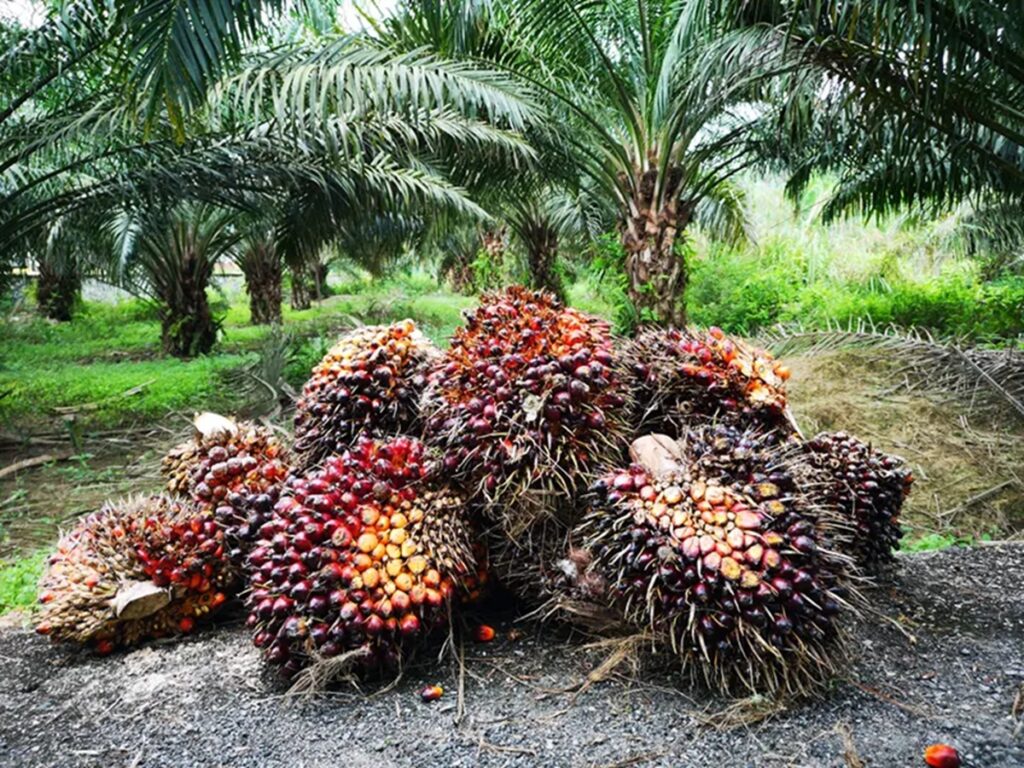
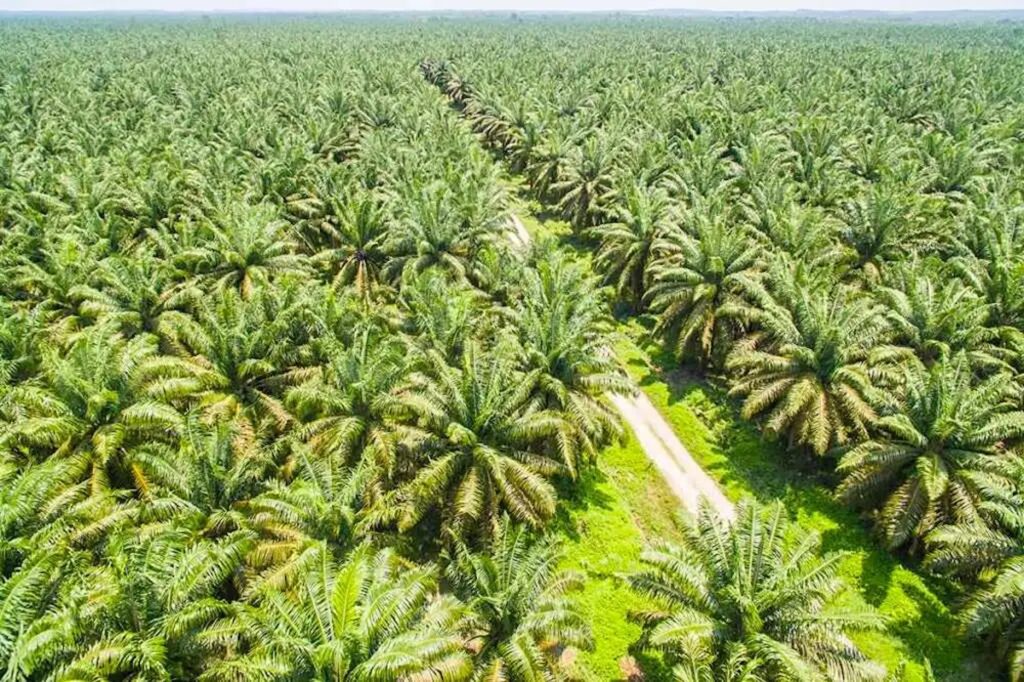
In the case of commercial oil palm, the plantation itself becomes part of the investment.
Trees mature. Production increases. Agricultural output creates commercial value.
The land and the productive enterprise work together.
That makes agro-real estate fundamentally different from purchasing undeveloped land and waiting for prices to rise.
It combines tangible ownership with productive activity.
For investors who think in decades rather than months, that distinction can be significant.
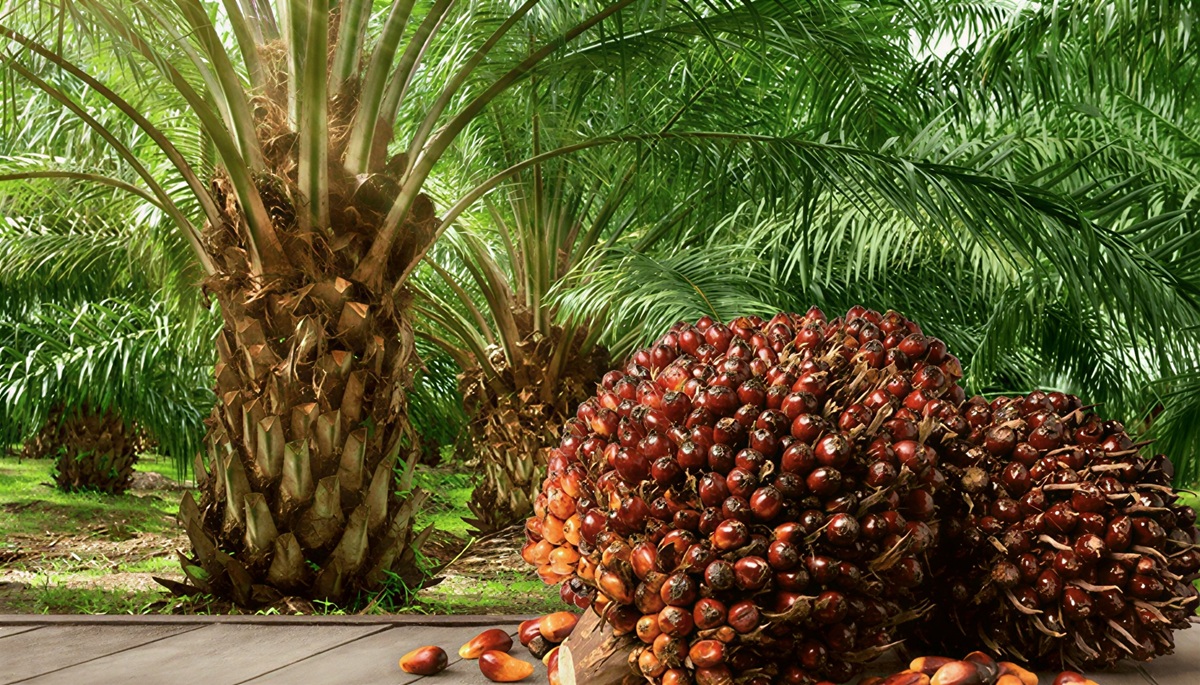
Oil Palm Plantation.
What Should You Look for in an Agro-Real Estate Investment?
By now, one thing should be clear.
Choosing an investment isn’t about following trends.
It’s about finding an asset that aligns with your financial goals, your risk tolerance and your investment horizon.
The same principle applies to agro-real estate. Not every agricultural project is the same.
Some are little more than land sales marketed as investment opportunities.
Others are structured around long-term agricultural production, professional management and value creation.
Knowing the difference is critical.
If you’re considering agro-real estate, there are a few questions worth asking.
- Is the land properly verified?
- Who manages the plantation after acquisition?
- Is there technical expertise supporting the project?
- Are recognised institutions involved?
- Is the investment built around long-term productivity rather than just land appreciation?
A Practical Example
This is the philosophy behind Assetrise’s Palmrich Project.
Rather than positioning land as the finished product, Palmrich is designed to transform each hectare into a professionally managed commercial oil palm plantation.
Investors receive verified land allocations, while Assetrise oversees plantation establishment and management, allowing the asset to mature into a productive enterprise over time.
The project is supported through collaborations with institutions including the Nigerian Institute for Oil Palm Research (NIFOR), Okitipupa Oil Palm Company, the Nigerian Society of Engineers (NSE) and Mutual Benefits Assurance.
These partnerships contribute technical expertise, operational standards and risk management, factors that strengthen the long-term quality of the investment.
Viewed through the framework we’ve developed throughout this article, Palmrich isn’t simply about owning agricultural land.
It reflects the characteristics long-term investors often look for in a productive asset:
- tangible ownership;
- professional management;
- institutional support;
- commercial agricultural production; and
- the potential for long-term value creation.
This is an example of how agro-real estate can move beyond land ownership and become part of a broader wealth-building strategy.
Which Asset Fits Your Objectives?
Let’s return to where we began.
The question was never: “Which investment is the best?”
Because there isn’t one answer.
Stocks may be the right choice for an investor seeking long-term exposure to business growth.
Cryptocurrency may appeal to someone comfortable with higher levels of volatility in pursuit of potentially higher returns.
Traditional real estate may suit investors looking for tangible assets and rental income.
Agro-real estate may be attractive to those seeking ownership of productive assets capable of generating long-term value.
Each serves a different purpose.
The smartest investors understand that. They don’t build portfolios around trends. They build them around objectives.
So, what is your Objective?
Explore the Numbers for Yourself
Every investor’s goals, timeline and risk appetite are different.
That’s why investment decisions should be based on analysis rather than assumptions.
If you’re exploring how a professionally managed oil palm plantation could fit into your long-term strategy, the next step is to understand the numbers.
Use the Assetrise Oil Palm ROI Calculator to explore different scenarios, adjust key assumptions and estimate how an oil palm plantation could contribute to your financial objectives.