There has never been a better time to talk about oil palm.
Across Nigeria, renewed attention to food security, import substitution and agro-industrialisation has placed the sector firmly back on the national agenda. Investors, professionals, cooperatives and even first-time land buyers are increasingly exploring opportunities within the industry, recognising oil palm as one of the country’s most strategic agricultural assets.
But whenever interest in an industry grows, so does the number of opportunities competing for attention.
Today, almost every week brings a new advertisement promising access to agricultural land, plantation ownership or exceptional long-term returns. Some of these opportunities are built on carefully planned agricultural enterprises with sound technical management and sustainable business models.
Others are simply land transactions wrapped in agricultural language.
For anyone considering an oil palm investment, distinguishing between the two is one of the most important decisions they will ever make.
Here are ten questions every investor should ask before committing to an oil palm plantation.
-
What exactly am I buying?
It sounds like an obvious question.
Surprisingly, many people never ask it.
When someone says they’re investing in an oil palm plantation, that description can mean very different things.
Are you buying land?
Are you buying mature trees?
Are you purchasing into a managed plantation?
Do you own a specific hectare, or are you simply participating in a broader investment arrangement?
These distinctions matter because ownership determines both your rights and your expectations.
A reputable operator should explain this clearly from the beginning, not after payment has been made.
At Assetrise’s Palmrich Project, for example, Landlords own their allocated hectares while the company oversees plantation development and management. That clarity helps both parties understand their respective roles from day one.
-
Is the land properly verified?
Imagine buying into an agricultural project only to discover years later that ownership is disputed or documentation is incomplete.
Unfortunately, due diligence on land is often treated as an afterthought. It shouldn’t be.
Every successful plantation begins with confidence in the land itself.
Ask whether the property has undergone proper verification. Ask about surveys. Ask about ownership records. Ask about documentation.
A company that has taken land verification seriously should have no difficulty explaining the process.
Confidence grows when transparency comes first.
-
Who manages the plantation?
Here’s a question many first-time buyers overlook.
Everyone talks about planting.
Few people talk about what happens afterwards.
Yet planting is only the beginning.
Oil palm is not a crop that succeeds through good intentions. It succeeds through consistent professional management over many years.
Fertiliser application. Weed control. Field inspections. Disease management. Harvest scheduling. Operational supervision.
These activities continue long after the excitement of planting has faded.
So before investing, ask one simple question:
Who is responsible for making sure all of that actually happens?
If the answer is vague, that should concern you.
If the answer is detailed, structured and supported by experienced professionals, you’re already learning something important about the quality of the project.
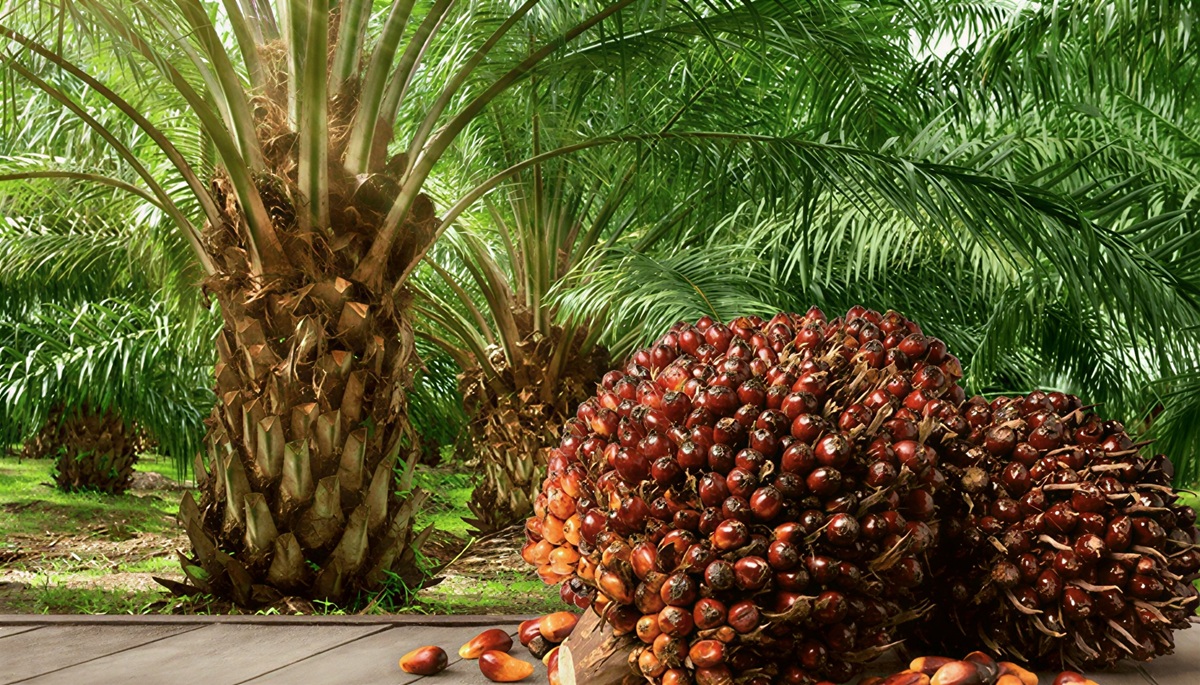
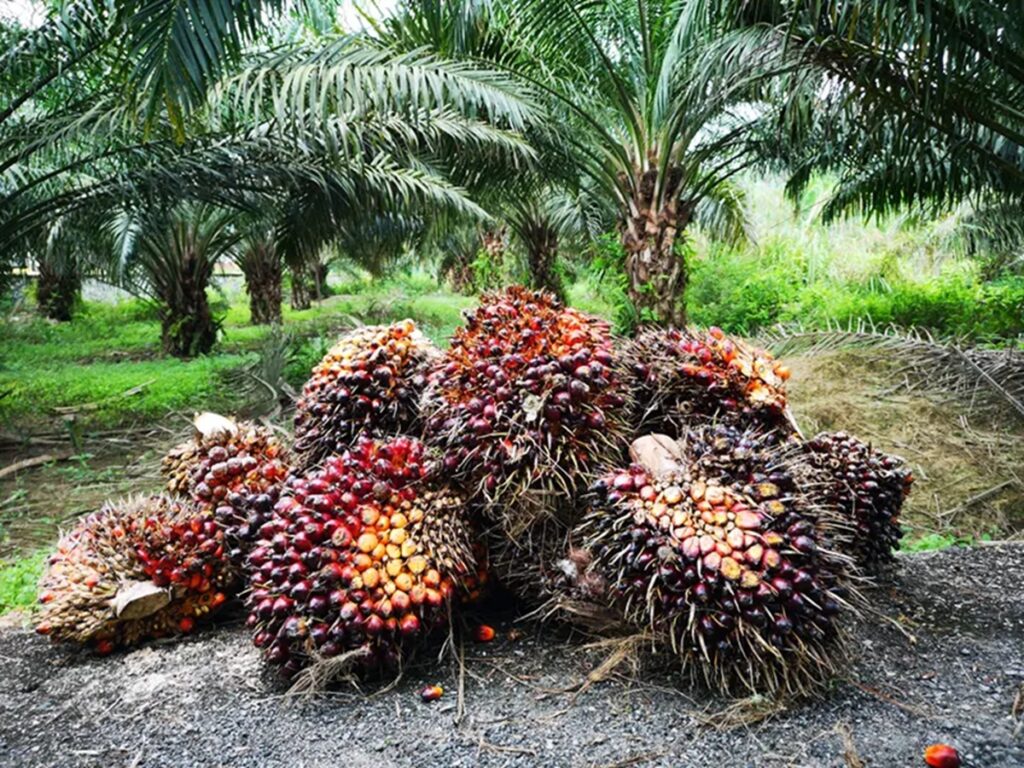
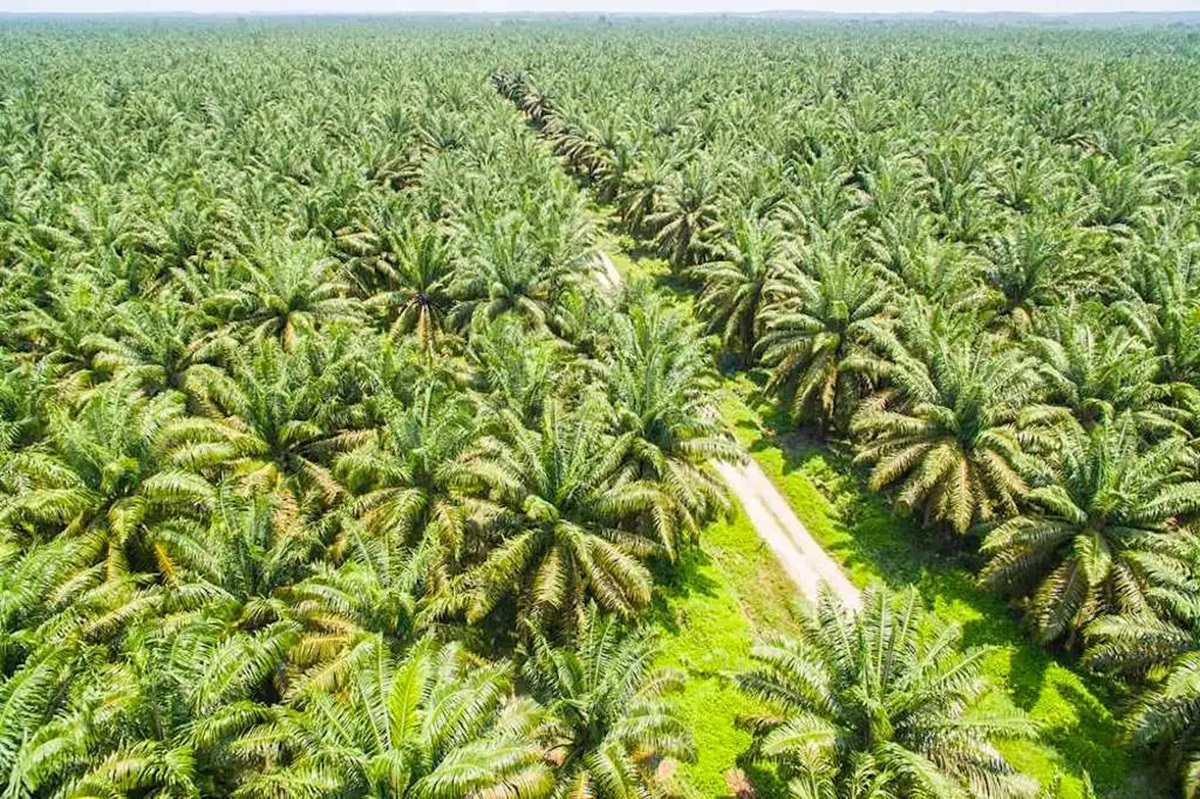
Oil Palm Plantation.
-
Is this opportunity built on productivity or on promises?
Every investment presentation sounds attractive.
Beautiful images. Impressive projections. Ambitious visions.
But strip all of that away for a moment.
Ask yourself one question:
Where does the value actually come from?
If the answer depends almost entirely on future land appreciation, you’re looking at one kind of opportunity.
If the answer centres on agricultural production, commercial cultivation and long-term plantation performance, you’re looking at something fundamentally different.
The strongest plantation projects do not rely on speculation. They rely on productivity.
-
What happens between planting and the first harvest?
This is where great plantation projects quietly distinguish themselves.
Many investors focus on the day seedlings go into the ground.
Professionals focus on everything that happens afterwards.
Those first few years determine the future of the plantation.
Healthy seedlings require consistent care.
Fields require maintenance. Growth requires monitoring. Challenges require technical expertise.
Without proper management, time alone does not create productive plantations. Good management does.
Ask how those years are planned.
Who is responsible? What systems are in place? How is progress monitored?
The answers reveal more about the project.
-
Does the company have the right technical and institutional support?
Agriculture is a science before it becomes a business.
No matter how ambitious a project may appear, long-term success depends on technical knowledge, research and operational excellence.
That is why credible partnerships matter.
Ask whether the company works with recognised institutions, industry bodies and technical experts that strengthen how the plantation is developed and managed.
These relationships should not exist merely for publicity. They should enhance the quality of planning, cultivation, engineering, risk management and operational standards.
Assetrise, for example, continues to strengthen its agribusiness ecosystem through collaborations with institutions including the Nigerian Institute for Oil Palm Research (NIFOR), Mutual Benefits Assurance, the Nigerian Society of Engineers (NSE) and the Okitipupa Oil Palm Company. Partnerships like these reflect a commitment to building plantations on sound technical and commercial foundations rather than assumptions.
-
Does the company think beyond cultivation?
Growing oil palm is important. Building an agribusiness is something entirely different.
The strongest plantation businesses understand that value does not end at cultivation. It extends into processing, logistics, market access, sustainability, technology and the wider agricultural value chain.
Ask yourself:
Is this simply a plantation, or is it part of a bigger vision?
Companies that think beyond planting are usually building businesses designed to remain relevant for decades rather than seasons.
That long-term perspective often makes the difference between an agricultural project and an agricultural enterprise.
-
Are expectations being managed honestly?
One of the easiest ways to identify a credible operator is by listening carefully to how they talk about time.
Oil palm is not a shortcut to wealth. It is a long-term agricultural crop.
A responsible company will explain that plantations require patience, professional management and years of consistent development before reaching full productivity.
Be cautious of anyone who suggests otherwise.
In agriculture, credibility often sounds less exciting than marketing. But it is far more valuable.
-
Can the company show evidence, not just projections?
Every project has projections.
Serious businesses also have evidence.
That evidence may come in different forms.
Established plantations. Operational systems. Verified land. Technical partnerships. Industry recognition. Professional management. A growing track record.
When evaluating any opportunity, ask what the company can demonstrate today, not simply what it hopes to achieve tomorrow.
Confidence should be built on evidence, not assumptions.
-
Would you still choose this opportunity if nobody mentioned returns?
This may be the most revealing question of all.
Imagine removing every financial projection from the presentation.
No estimates. No appreciation forecasts. No projected income.
Would the opportunity still make sense?
Would you still be acquiring verified land?
Would you still own a clearly allocated hectare?
Would your plantation still be professionally managed?
Would the business still be supported by credible technical partnerships?
Would the company still have a long-term vision for the sector?
If your answer is yes, then you’ve probably identified something built on fundamentals rather than promises.
If the answer is no, you may be relying more on optimism than on due diligence.
The Questions Matter More Than the Answers You Want
Every experienced investor eventually learns the same lesson.
The best opportunities are rarely identified by asking, “How much can I make?”
They are identified by asking, “How does this business create value?”
That shift in thinking changes everything.
It moves the conversation away from speculation and towards productivity.
Away from promises and towards performance.
Away from buying land and towards building productive agricultural assets.
At Assetrise, that philosophy has shaped the development of Palmrich from the very beginning.
The project was never conceived simply as an opportunity to own land. It was designed to demonstrate how responsible private enterprise can contribute meaningfully to Nigeria’s agricultural future through verified land ownership, professional plantation management, institutional collaboration and sustainable commercial cultivation.
As Nigeria continues to strengthen its agricultural sector, investors will encounter more opportunities than ever before.
Some will be genuine. Others will not.
The difference often comes down to the questions asked before any documents are signed or any payments are made.
Because in agriculture, informed decisions are often the most valuable investment of all.