Imagine two investors.
Each spends ₦5 million.
The first buys one hectare of undeveloped farmland.
The second buys one hectare of a professionally developed oil palm plantation.
On paper, both have spent exactly the same amount.
But have they purchased assets of equal value?
Most people would instinctively say yes.
Experienced investors rarely would. Because in agriculture, price and value are not the same thing.
Price is the amount paid to acquire an asset. Value is the asset’s ability to create wealth over time.
The distinction matters.
A vacant hectare may appreciate as surrounding infrastructure develops or demand for land increases. But until that land begins producing, its value remains largely tied to the market price someone else is willing to pay.
A productive plantation however is different
It is not only an asset that can appreciate. It is an asset designed to produce.
That difference changes the entire valuation.
Yet many people still assess an oil palm plantation the same way they would assess an ordinary parcel of land.
They ask: “How much does it cost?”
A better question is: “What is this hectare capable of producing over the next twenty years?”
That single question changes the calculation completely.
Looking Beyond the Purchase Price
Let’s use a simple illustration.
Assume you purchase one hectare for ₦5 million.
If you stop the valuation there, the plantation appears to be worth exactly what you paid.
But that figure ignores almost everything that gives the asset its long-term value.
It ignores the plantation already established on the land. It ignores years of future production. It ignores professional management. It ignores the commercial demand for palm oil.
It ignores the fact that, unlike many physical assets, an oil palm plantation has the potential to become more valuable because it continues producing.
Think about that for a moment.
A car begins losing value the day you buy it. Machinery gradually wears out.
Many consumer assets depreciate with time.
A professionally managed oil palm plantation behaves differently.
As the plantation matures and production stabilises, the asset begins generating economic value while the land beneath it may continue appreciating independently.
In other words, two things are working at the same time:
- The land can become more valuable.
- The plantation can continue producing.
That is what makes valuing agricultural assets fundamentally different from valuing ordinary property.
A Better Way to Calculate Value
Professional investors rarely value productive assets using the purchase price alone.
Instead, they ask five questions.
- How productive is it?
- How long will it remain productive?
- How well is it managed?
- How much risk has been removed?
- How strong is the market for what it produces?
Those five questions reveal far more about the plantation’s true worth than the figure written on the purchase agreement.
The Five Drivers of True Plantation Value
Now that we’ve separated price from value, let’s calculate what actually gives an oil palm plantation its worth.
Think of the purchase price as the foundation.
Everything else either increases or decreases the value of the asset over time.
-
Productive Capacity
The first question is simple.
What can this hectare actually produce?
A professionally established hectare typically accommodates around 150 oil palm trees.
If each mature tree produces an estimated 25 to 30 litres of palm oil annually, the plantation could generate somewhere between:
- 3,750 litres (conservative estimate), and
- 4,500 litres (higher estimate) every year.
That changes the conversation immediately.
You’re no longer looking at one hectare of land. You’re looking at a productive system capable of generating thousands of litres of palm oil every year.
Productivity is the first multiplier of value.
-
Time
Now let’s ask a different question.
Would you rather own a plantation that produces for five years or one expected to remain commercially productive for twenty years or more?
The answer is obvious.
Time matters because production compounds.
Using the earlier illustration:
| Estimated Annual Production | Estimated Output Over 20 Years |
| 3,750 litres | 75,000 litres |
| 4,500 litres | 90,000 litres |
Illustrative only. Actual production varies depending on plantation management, weather, agronomic practices and other operational factors.
This is where many people underestimate the value of agricultural assets.
They calculate one harvest rather than decades of productive capacity.
-
Management
Imagine two plantations.
Both occupy one hectare. Both have approximately 150 trees. Both were planted in the same year.
One is professionally managed. The other receives inconsistent maintenance.
After several seasons, will they still produce the same results?
Almost certainly not.
Oil palm rewards consistency. Fertiliser programmes. Harvest timing. Weed control. Disease management. Field supervision.
Each decision influences productivity. Each productive season affects the next.
In other words, management doesn’t simply maintain a plantation. It protects its earning capacity.
-
Market Demand
Production has little value if nobody needs the product.
Fortunately, palm oil remains one of Nigeria’s most important agricultural commodities.
It is used daily in homes. It supplies food manufacturers. It supports consumer goods companies. It serves cosmetics producers and numerous industrial applications.
Despite favourable growing conditions, domestic production continues to lag demand, leaving significant room for increased commercial production.
Demand, therefore, becomes another contributor to value.
-
Risk
This is the factor most first-time buyers overlook.
Two plantations may appear identical.
Yet one can be considerably more valuable simply because it carries less risk.
Consider the questions experienced investors ask before making a decision.
- Is the land properly verified?
- Is ownership clearly documented?
- Who manages plantation operations?
- Are recognised institutions involved?
- Is there technical oversight?
- Is the investment adequately protected?
Every “yes” reduces uncertainty. Every reduction in uncertainty strengthens the asset.
That is why professional management, institutional partnerships and operational governance should never be viewed as optional extras.
They are part of the plantation’s value.
Putting the Pieces Together
Let’s return to the original question. What is one hectare actually worth?
At the beginning of this article, the answer appeared simple. ₦5 million.
Now the picture looks very different.
That same hectare also carries:
✓ productive capacity
✓ years of future production
✓ commercial demand
✓ professional management
✓ reduced operational risk.
Suddenly, the purchase price feels less like the answer…and more like the beginning of the calculation.
The true value of an oil palm plantation isn’t determined by what you spend to acquire it.
It is determined by everything that enables it to continue creating value long after the purchase has been made.
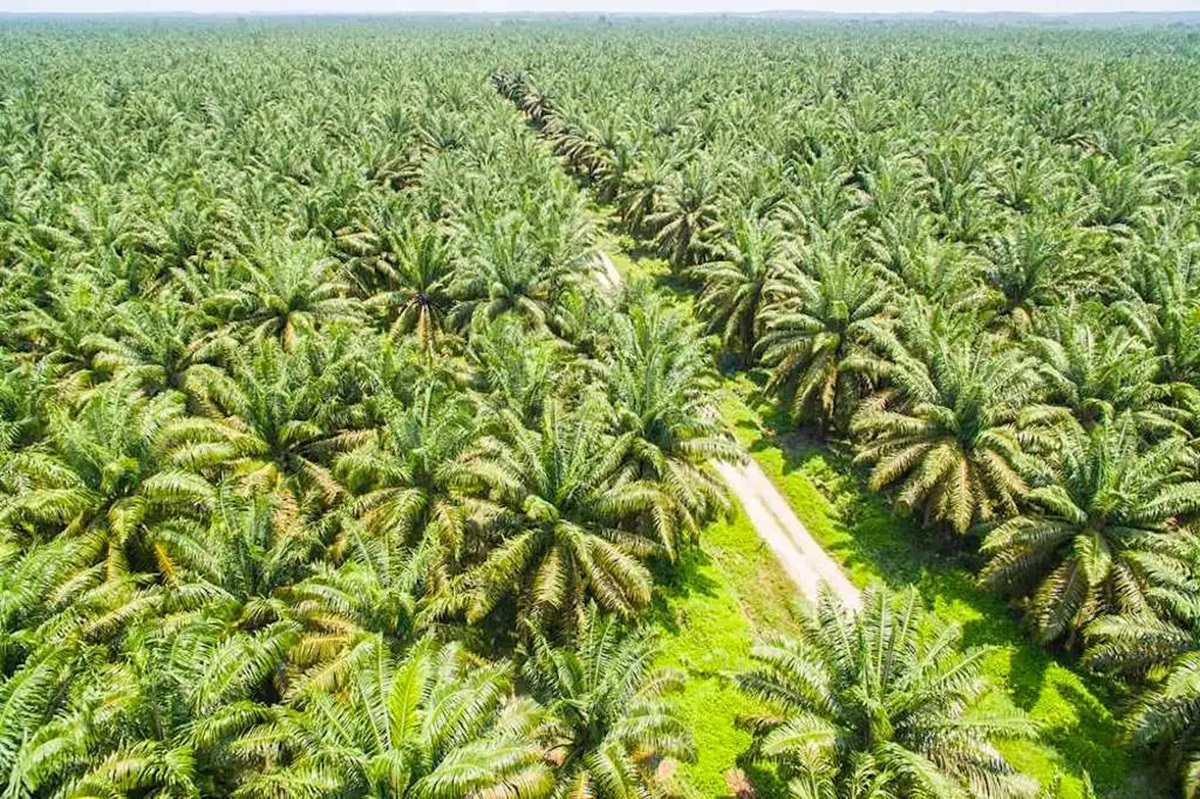
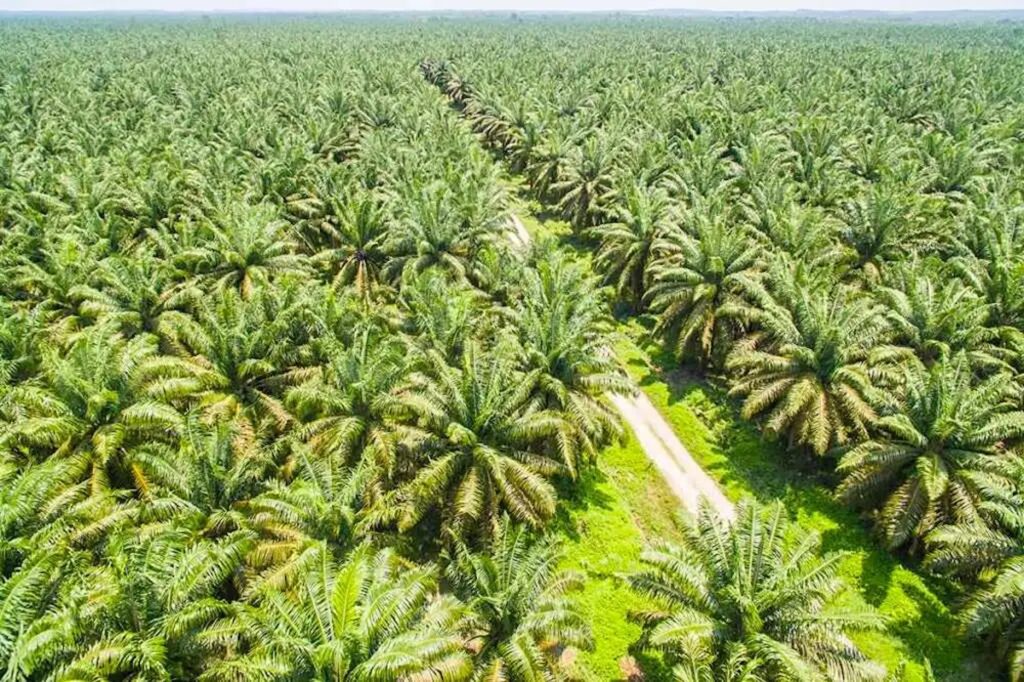
Oil Palm Plantation.
What Does This Look Like in Practice?
So far, we’ve looked at the principles that determine the true value of an oil palm plantation.
Now comes the practical question.
What does a plantation look like when those principles are deliberately built into its design?
This is where Assetrise’s Palmrich Project provides an interesting case study.
Rather than approaching oil palm as simply a land acquisition opportunity, Palmrich was developed around a different objective: transforming each hectare into a productive agricultural asset capable of creating value over the long term.
That philosophy can be seen across the project.
Every landlord receives a verified land allocation, providing the foundation upon which long-term value can be built.
Rather than leaving landlords to establish and manage plantations independently, Assetrise oversees plantation development and management, allowing the land to evolve into a commercially productive enterprise.
The project is further strengthened through collaborations with institutions such as the Nigerian Institute for Oil Palm Research (NIFOR), Okitipupa Oil Palm Company, Mutual Benefits Assurance and the Nigerian Society of Engineers (NSE), bringing together technical expertise, operational standards and governance that support long-term performance.
Look back at the five drivers we discussed earlier.
Productive capacity. Productive lifespan. Professional management. Market demand. Risk reduction.
They are not separate ideas.
They are the building blocks of every successful commercial plantation.
When those elements work together, it becomes a productive asset with the potential to create value consistently.
Run the Numbers Yourself
The figures used throughout this article are illustrative and intended to demonstrate how productive agricultural assets are valued.
Actual outcomes depend on factors such as plantation size, establishment costs, production levels, market prices, management practices and operating expenses.
If you’re curious about what those assumptions could look like for your own asset, we’ve built a tool to help.
Use the Assetrise Oil Palm ROI Calculator to estimate your plantation’s potential performance